
By Nityanjali Bulsu
Thailand launched air strikes into Cambodian territory, causing tensions and a lot of confusion.
fear, and blame – especially with the insistence from both sides that the other had started the
attacks. The attack took place on Monday, December 8th, on the Thailand-Cambodia border.
According to the Cambodian officials, four civilians died, and ten more were severely injured in
the attack. Among those, a local journalist also died after being hit by shrapnel. Thailand also
confirmed the death of one soldier and stated that many other soldiers suffered grave injuries in
the ensuing attacks.
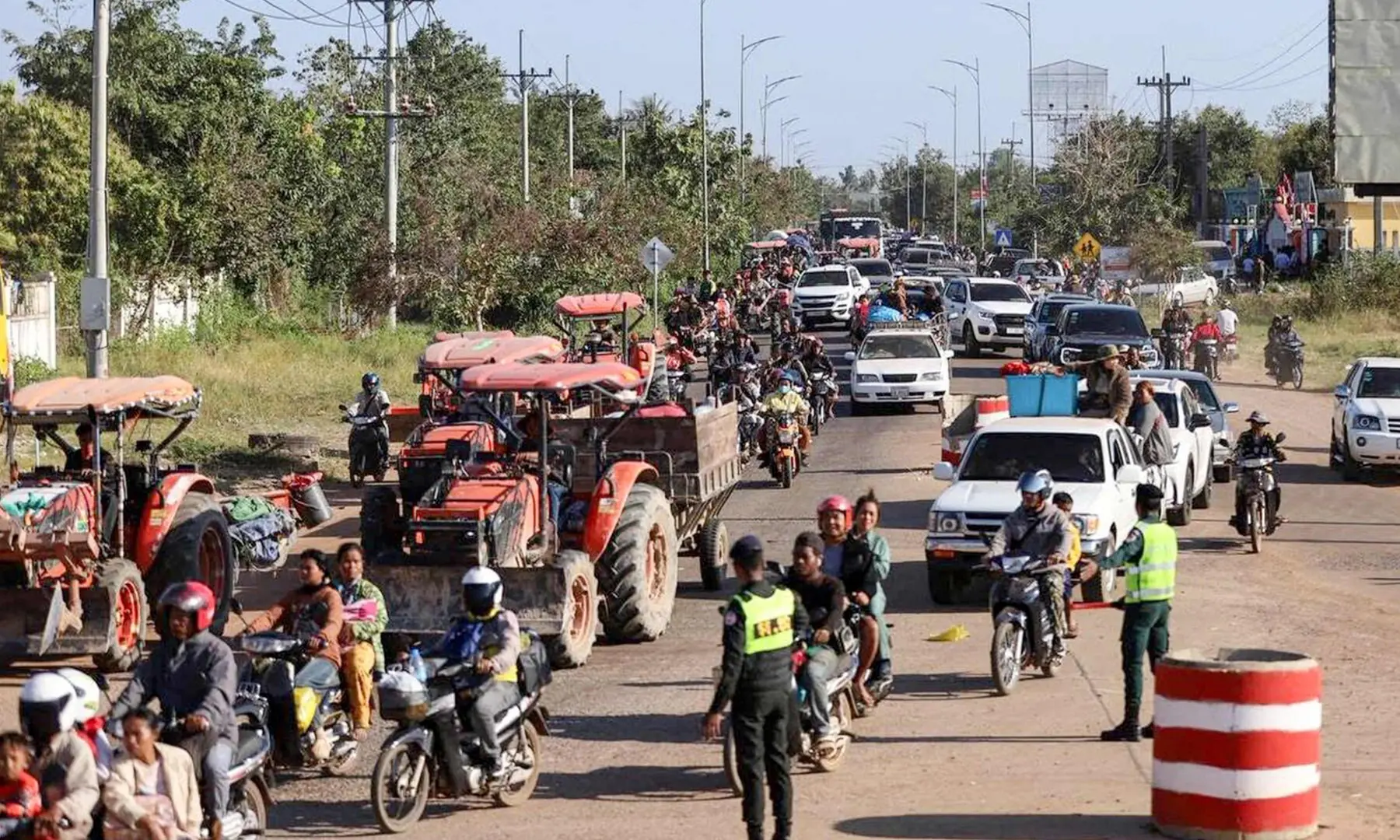
The situation led to around 35,000 people being forced to leave their homes near the Thailand
border. This issue with the displacement was not anything unusual for many people who lived
on the Thailand-Cambodia border. The tensions between the two countries stemmed from
minor clashes that arose after a US-backed trade agreement was recently paused. This
followed a landmine explosion that killed several soldiers.
Both countries, Thailand and Cambodia, have been asked to de-escalate the situation and stop
the conflict by the European Union and the United Nations. They have been urged to begin
dialogue. The US Embassy of Bangkok has also advised US tourists to avoid visiting the
borders of the conflicting countries.
In Thailand’s Surin province, 59-year-old farmer Pannarat Woratham said she ran to a temple
for shelter on Sunday—her second evacuation since July.
The farmer recounted her experiences and said that she and many other believed that the worst
of the situation had passed. But they had all been proven wrong, being displaced all over again.
A similar situation was of Hul Malis who had to flee her village in Cambodia just a few minutes
before the thai tanks came. The conflict, according to her, is caused due to a border dispute
dating back to more than a century during the French colonial rule. Both Thailand and
Cambodia claimed the historic temples for themselves.