
By Kritika Gangwar
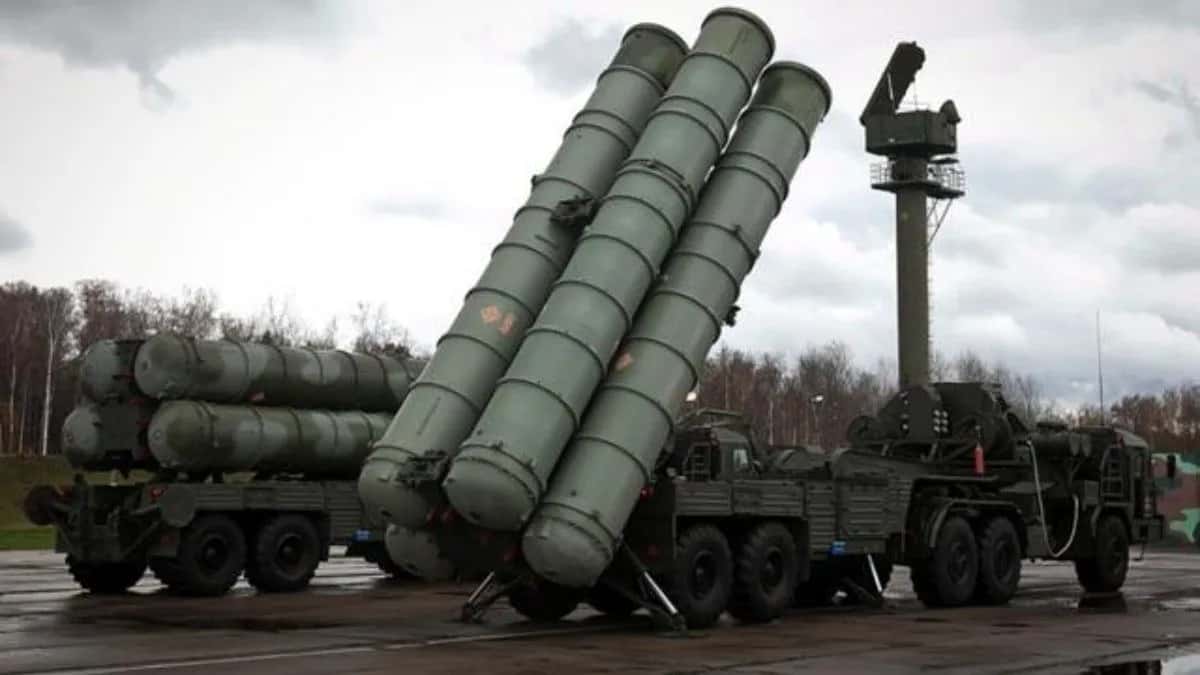
The Defence Acquisition Council (DAC) that is chaired by Defence Minister Rajnath Singh, has granted the Acceptance of Necessity (AoN) for the procurement of 288 S-400 missiles from Russia for the cost of Rs. 10,000 crore.
Last year in November, Hindustan Times reported that the government was planning to procure these missiles to replace stocks that were expended on Operation Sindoor and to bolster its inventory of both long range as well as short range surface to air missile systems.
The AoN has been approved by the DAC that includes 120 short range and 168 long range missiles and the purchase will be carried out under the Fast Track Procedure (FTP). India is set to receive two additional S-400 systems that are already under contract in June and November for this year.
The Indian Air Force is pushing for the acquisition of five more S-400 systems from Russia and the Pantsir short range air defence system too. The Russian platform is considered effective against the armed and kamikaze drones. Both the S-400 and Pantsir systems combined can be integrated into a two tier defence shield to neutralize the aerial threats that India receives from across the border.
India’s defence procurement process involves various layers of approval to maintain strict oversight. It begins with the statement of case which outlines the operational need and rationale for the purchase. The proposal then gets reviewed by the Defence Procurement Board, chaired by the defence secretary before it gets placed before the DAC for Acceptance of Necessity. Following this stage, detailed price negotiations get carried out with the vendor and then by financial sanction from the competent authority. The final approval is then issued by the Cabinet Committee on Security (CSS).
The defence minister approved AoN for proposals worth Rs.3.60 lakh crore on Thursday.
The Defence Ministry’s statement said, “The procurement of MRFA will enhance the capability of undertaking air dominance roles across the spectrum of conflict and significantly boost the deterrence capabilities of IAF with long range offensive strikes”.
With Indian strikes on radar sites in Lahore, Rawalpindi, Sialkot and Pasrur, the Pakistan Air Force chose to not take any action on May 9-10 amid fears of S-400 systems.