
By Aditi S Bade
The Indian Railways Ministry has decided to take steps towards blocking the dissemination of content about the recent tragic stampede at New Delhi Railway Station on February 15, 2025, which claimed 18 lives. The ministry on February 17 issued a notice to X (formerly Twitter) regarding the removal of 285 links containing videos of the incident within a specified period of 36 hours.
The notice from the ministry suggested that such videos have the potential to show “sensitive or disturbing media” images of the deceased, and could cause unrest in public and disturb railway traffic at the time when railway operations are really heavy because of continuing passenger flow owing to the Maha Kumbh festival currently taking place in Prayagraj.
This incident may be one of the initial significant enforcement efforts directed by the Railways Ministry immediately after it was granted a direct power to delete contents in December of the previous year.
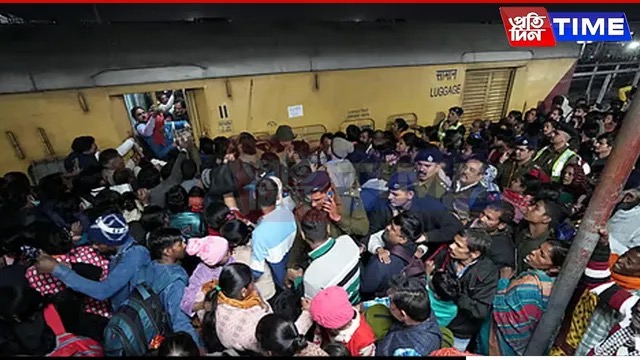
The tragic event occurred during the time when a maximum number of people thronged the railway station to board trains for the Maha Kumbh festival. Overcrowding persisted on platforms 14 and 15 because of train delays and confusion regarding train names, producing fatal surges. While postmortem reports revealed trauma-asphyxia as the cause for death in 15 of the 18 victims, two succumbed to hemorrhagic shock and one died from a head injury.
Railways Ministry, in the line of action restricting the spread of panicky content, has also initiated actions aimed at averting such disasters from happening again. The measures include the establishment of holding areas to create space for passengers pending train boarding and the formulation of new crowd control processes to be employed at high-traffic stations.
The notice for removing videos from the internet has sparked lively debate even as it strikes a balance from ethics and the public’s right to access information. While the ministry cites ethical norms and the probable public unrest as grounds for the takedown, critics argue that it might curtail journalistic freedom and the public’s ability for scrutiny and understanding into the events surrounding such an incident.
As the Railways Ministry continues to investigate the causes of stampede, social media’s evolving paradigm between regulatory directives and free expression would construct new parameters for deliberate actions in digital space.