
By Aarit Gupta
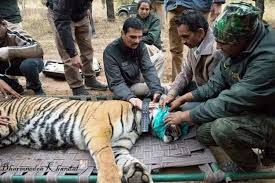
A tiger was taken out of Ranthambore and moved to Mukundra a few days ago because people working in the forest department have said that Ranthambore is getting too tight for space. Too many tigers are sharing the same area. When that happens, fights break out. Some animals also end up crossing forest boundaries. Officials say this is why one tiger was shifted.
The problem is that Mukundra already has a bad track record. Earlier tigers sent there did not survive for long. Those incidents are still talked about by people who follow wildlife closely. Because of that, many are asking the same question again. Is Mukundra really ready? Or is it being used because there are no other options left?
Forest staff involved in the move say the tiger was fit and calm during the process. Doctors checked the animal before and after sedation. A tracking collar has been placed so its movement can be followed. Officials say prey has been added in the reserve and that the tiger is being watched every day.
Wildlife experts remain uneasy. They say a tiger does not understand why it is suddenly taken from its home. New smells, new paths and unknown threats add pressure. The first few weeks are always risky. Some conservationists feel relocation has become an easy answer instead of protecting forest corridors where animals can move on their own.
Around Mukundra, people are cautious. Villagers say they support conservation but fear accidents. Stories from other reserves about tigers entering farms are still fresh in their minds. Loss of cattle and safety concerns are often discussed quietly.
India has done well in increasing tiger numbers. But this transfer shows that numbers are only one part of the story. What matters more is whether each animal is given a real chance to survive. The next few months in Mukundra will tell that story.