
By Shivani P Menon
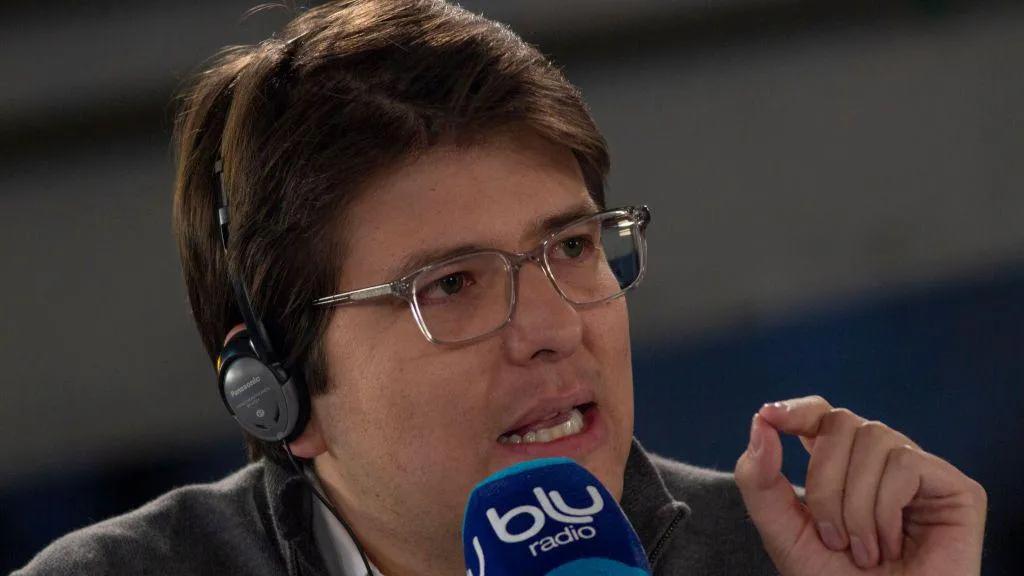
Miguel Uribe, a Colombian senator and presidential candidate, was fatally shot in the head in a targeted attack that shocked all of South America and ultimately killed him two months later. On June 7, the 39 year-old was at a campaign rally in Bogota, the capital city, where he was shot three times: two bullets hit his head, and one struck his leg. His wife paid tribute on social media, calling him “the love of my life” and sharing the news of his passing.
A teenager has been alleged to have carried out the shooting, the reason for which is still unknown. Uribe’s wife, María Claudia Tarazona, acknowledged her ex-husband for being “the best father” to their children and for providing “a life full of love.”
On Saturday, a statement was put out by the hospital where Uribe was hospitalized, the senator had suffered blood haemorrhage and was scheduled for a surgery, said a hospital official. He already had few surgeries since first being admitted to Santa Fe clinic back in June. His wife requested people to pray for Uribe’s survival and thousands attended vigils and rallies for him.
Uribe, a senator since 2022, was trying to get his party’s nomination for the presidential elections due to be held in 2026. He was at a political event in a middle class district of the capital when the gunman shot him.
A 15 year-old who escaped from the location has been caught and is facing charges of attempted murder and has entered a plea of not guilty. Several others have been detained on suspicion of colluding with the shooter.
The shooting of Uribe so brazenly, has raised feelings of the turbulence of Colombian political life from the 1980s and 90s, when several presidential candidates and influential Colombians were murdered.
In 1990, journalist Diana Turbay, Uribe’s own mother, was abducted by Los Extraditables, an association of Colombia’s most powerful drug lords. After five months of captivity, she was shot in an unsuccessful attempt to save her life. Uribe routinely cited her as inspiration for running for political office “to work for our country”.