
By Smritika Banerjee
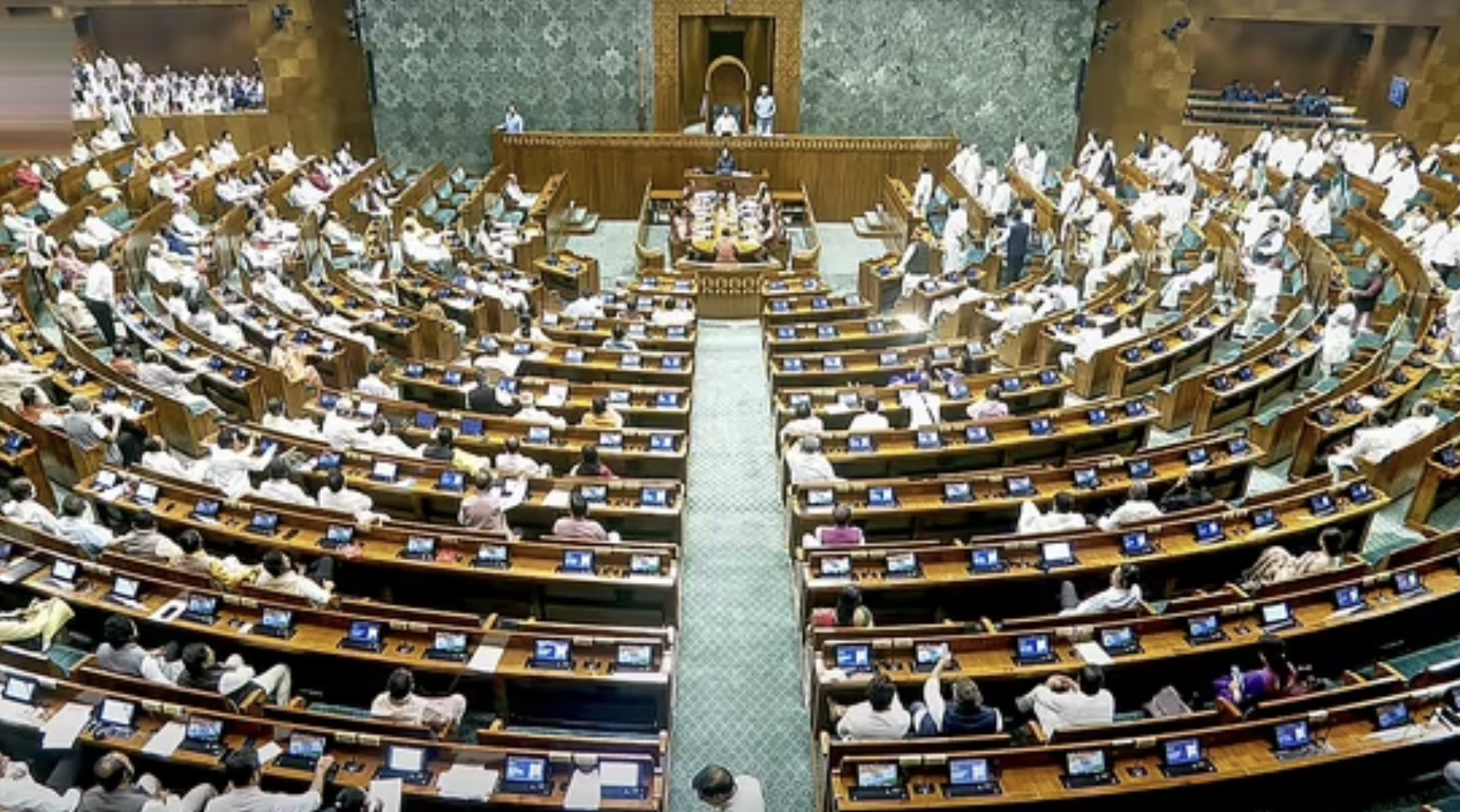
E-sports gain official recognition while India Bans Real money gaming to protect citizens. In a significant move, the Indian Parliament’s lower house, the Lok Sabha, has approved the Promotion and Regulation of Online Gaming Bill, 2025. This new law aims to reshape the country’s digital gaming scene by clearly separating different types of online games. While it’s seen as a victory for the rising e-sports community, the bill has sent shockwaves through the multi-billion-dollar real money gaming (RMG) industry.
The key aspect of this legislation is its focus on distinguishing between social online games, e-sports, and games involving real money. The government has decided to ban all forms of real money games, which include popular fantasy sports, poker, and rummy platforms. The main concern driving this decision is the potential harm these games pose-socially, financially, and psychologically, especially in terms of addiction and debt. The ban also extends to advertising and transactions related to these platforms, meaning banks and payment services will no longer process payments for online money games. This move has drawn the attention of the global investors and fostered fantasy sports apps like Dream11, Games24X7 and Mobile Premier League and is set to give a blow to the country’s $3.8 billion gaming industry. For those caught violating these rules, penalties could include jail time of up to three years and hefty fines. Interestingly, the bill makes a point to treat individual players as victims rather than criminals.
On the bright side, this legislation is a major win for the e-sports community in India. The government now officially recognizes e-sports as a legitimate sport, similar to cricket or football. The Ministry of Youth Affairs & Sports is expected to set up guidelines, training centers, and incentive programs to foster a strong environment for competitive gaming. This move aligns India with global trends, where e-sports is rapidly gaining popularity and is even set to be included in the Olympics starting in 2027.
However, the industry focused on real money gaming isn’t taking this lightly. Industry representatives warn that a complete ban could shut down hundreds of companies, cause the loss of over two lakh jobs, and lead to an estimated ₹20,000 crore in lost tax revenue annually. They argue that banning these games outright might push players towards illegal offshore gambling sites, increasing their vulnerability to fraud and exploitation. Despite calls for more balanced regulation, the government has chosen to proceed with the ban, emphasizing public safety over industry concerns.
This legislation marks a major shift in India’s digital policy, focusing on protecting citizens and creating a safe environment for gaming innovation. A new regulatory body will oversee the entire sector, aiming to curb illegal activities like money laundering and position India as a global hub for game development and competitive gaming. While the move has sparked debate, many see it as a step towards a safer and more structured digital gaming future for India.