
By Swastika Chowdhury
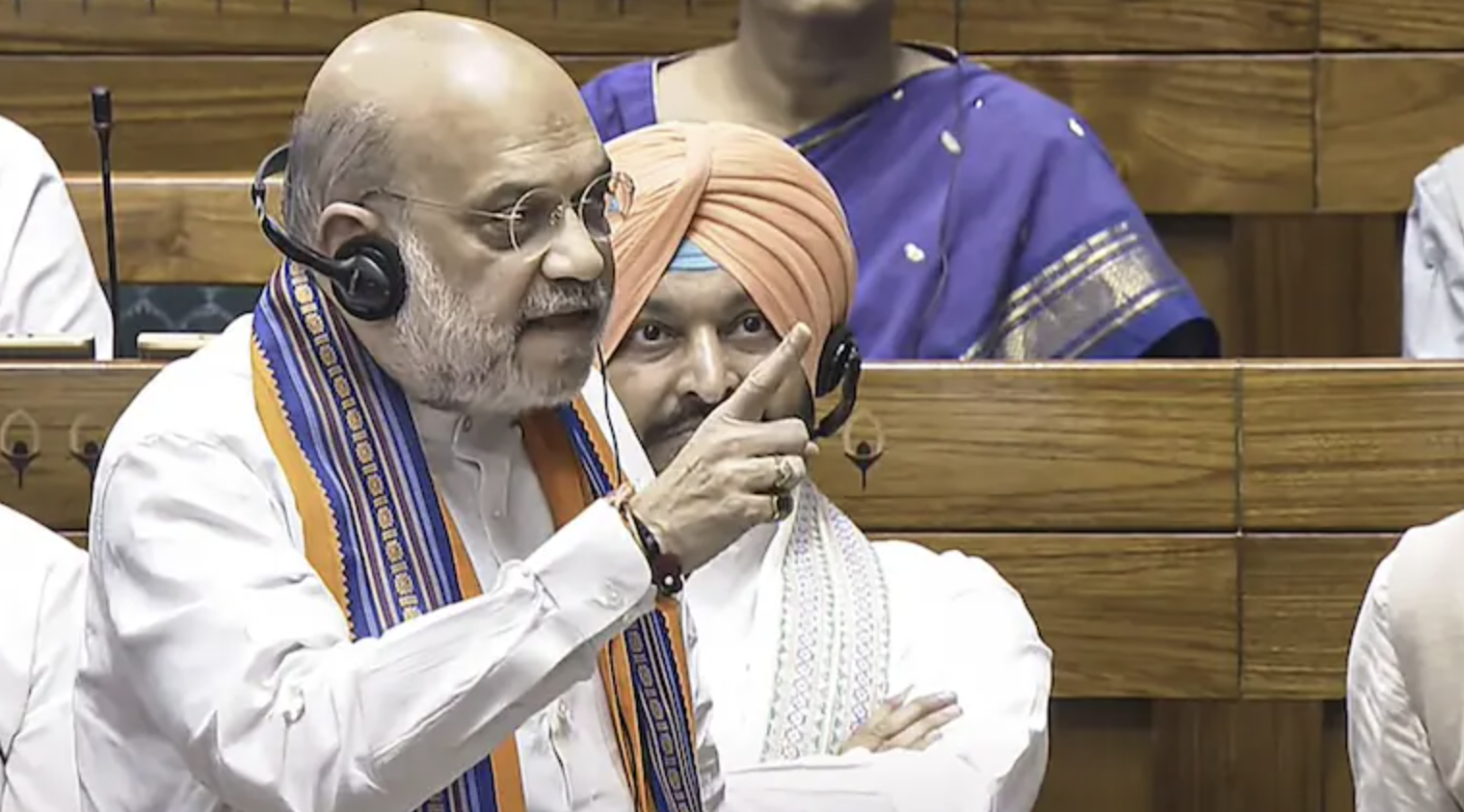
The Lok Sabha witnessed an intense debate at the parliament on 20th August, 2025 as the Union Home Minister Amit Shah introduced the Constitution 130th Amendment Bill, 2025, proposing the automatic removal of the Prime Minister, Chief Ministers and other ministers if detained for 30 days on charges carrying a minimum five-year sentence.
A minister who has serious criminal charges against him/her and has faced several convictions undermines the constitutional morality and good governance that may weaken the trust the citizens place in the Constitution and in their elected representatives, which was the main concern that was cited in the legislation draft.
The bill was proposed with the original motive of enhancing accountability and repressing corruption, where a minister’s conviction can trigger his/her removal. This proposal has sparked a political firestorm and incited a lot of public debates in many online forums. Several opposition leaders, such as Asaduddin Owaisi and Manish Tewari tried de-influencing the House against the bill calling it an “authoritarian tool” also arguing that it undermines democracy and the very principle of “innocent until proven guilty”. Tewari highlighted potential violations of Article 21’s due process, while Owaisi cited the recent misuse of laws against a senior journalist from Assam. Opposition party minister Abhishek Banerjee, from Trinamool Congress said that there was a particular motive for this legislation in the Parliament from the opposition and this was specifically done to retain power, money, and control over our state and turn their faces away from being held accountable.
History has been an eyewitness to how Amit Shah, himself, faced an arrest in 2010 with regard to the Sohrabuddin Sheikh case, which was later cleared, and extended suspicion and impartiality concerns. Supporters, led by Prime Minister Narendra Modi, hail it as a historic reform for governance.
The bill, along with the amendments for Union Territories and Jammu and Kashmir, is now referred to as a Joint Committee amid several opposition protests and persuasions, like sloganeering, and adjourning the House briefly. The nation watches as this constitutional shakeup unfolds.