
By Salonee Kulkarni
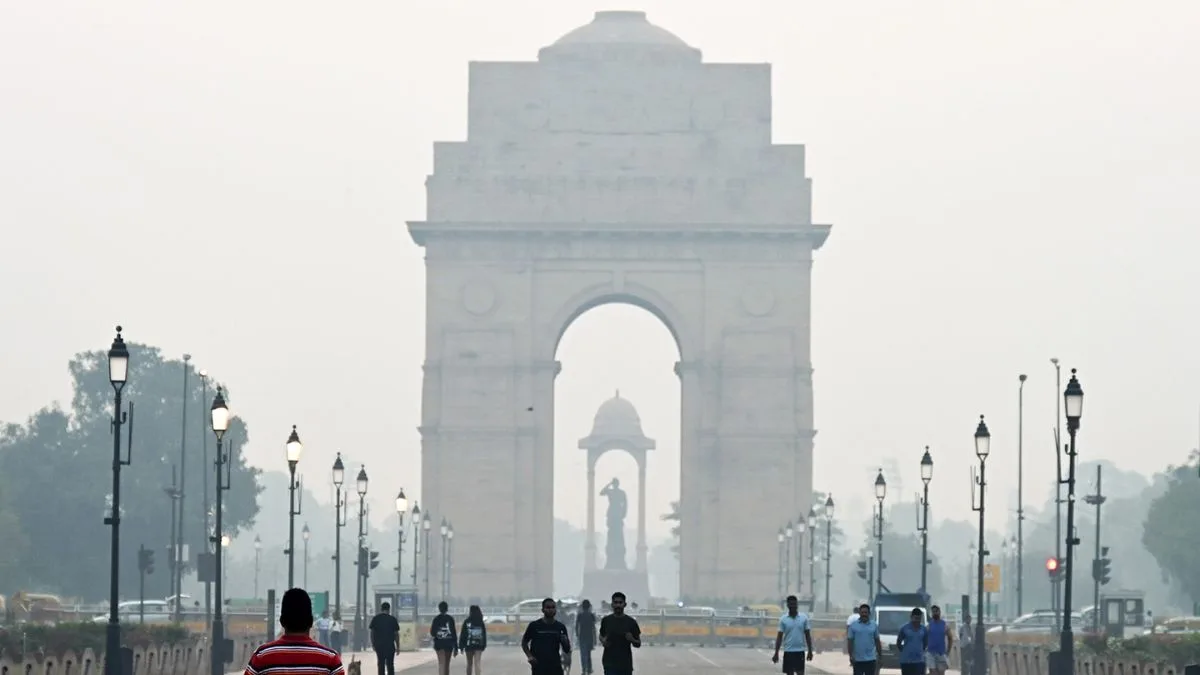
The capital city is engulfed in smog, and deep breaths are a testament towards tolerance amidst the bold choices citizens have to make every day. India plans to organise the WHO Global Summit on Traditional Medicine. The Summit is scheduled from December 17th to 19th. Experts in the field of policymaking, scientists who experiment with medicines and have researched in the field of Indigenous medicines, and civil society leaders will share their inputs on building a balanced, inclusive, and sustainable healthcare system.
To bridge the gap between science and well-being while India navigates its lopsided healthcare system, which requires urgent attention, the theme of the summit is centred around “Restoring balance: The science and practice of health and well-being.” The theme of the Summit is central as the world faces a grappling and broken healthcare system, where inequities have risen, environmental stress and chronic stress are on a persistent rise. The Summit provides a platform to discuss how traditional medicine can be viewed through the lens of science, based on evidence and responsible practice.
The media’s role in covering the Summit was acknowledged by Shri Jadhav, who believes that the coverage will result in awareness and public trust towards the application of traditional media. The Ministry of Ayush and the World Health Organisation have collaborated to ensure effective results and outputs from the Summit, which the Prime Minister of India will conclude on 19th December. The shift towards the inclusion of traditional medicine in a Summit marks a milestone towards global cooperation in advancing healthcare facilities by measuring the participation of countries, which is more than 100 countries, as stated by PIB. It highlights international discussions on indigenous medicines and the upgrading of national health systems, as emphasised by Dr Poonam Khetrapal, the elected Regional Director of the WHO’s South-East Asia Region.
The inaugural ceremony in Gadhinagar in 2023 generated momentum, marking a step forward in the field of traditional medicine on a global platform and its inclusion in the global health agenda. The WHO Global Traditional Medicine Strategy 2025-2034 will lead the blueprint by contributing to meaningful discussions centred around healthcare designed for the benefit of people and their planetary well-being. Furthermore, the discussion will also highlight how innovation and policy will be designed to ensure safety, ethical integration, and effectiveness of Traditional Medicine as they merge with the National Healthcare System.