
By, Nilanjana Sarkar
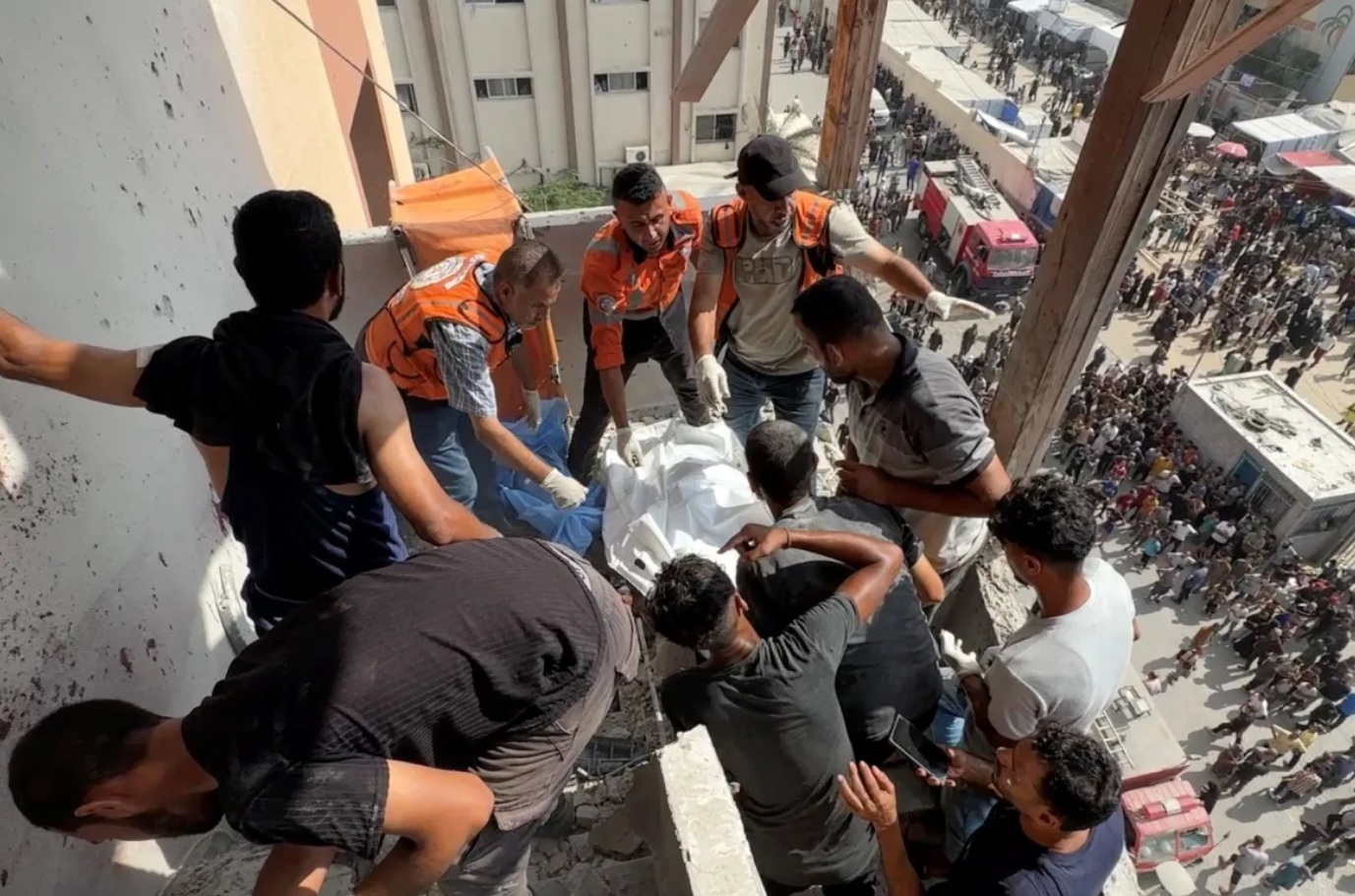
Israel made a double phase attack on a Gaza hospital, hitting the facility with a second missile as journalists and rescue workers responded to the initial blast. These deadly tragedies have been condemned by many, highlighting the risks faced by medical officials and journalists in attack zones. The attacks on Gaza’s hospitals, such as the European Gaza Hospital and Nasser Hospital, have led to significant loss of life and destruction, triggering widespread condemnation and alarm over the devastating impact on Gaza’s healthcare system. These strikes have severely strained the already beleaguered medical infrastructure, forcing some hospitals to suspend services and leaving thousands without access to essential medical care and protection of civilians and medical infrastructure. “Almost 20 people died, and more are injured,” local health workers in Hamas-run Gaza said.
The president of US Donald Trump expressed denunciation over the attack on a Gaza hospital that almost killed 20 people, among which 5 were journalists. The president said he wasn’t aware of the attack beforehand, saying “When did this happen? I didn’t know that. Well, I’m not happy about it. I don’t want to see it.”
The strike also wounded several others, including Hatem Khaled, a Reuters photographer. The Israeli military recognized striking the area, expressing penitent for harm to uninvolved individuals, and has commanded an inquiry. The hospital was attacked two times, with the second missile targeting rescues.
The hospital, already depleted from 22 months of conflict, has faced sequential attacks and alarming shortages of supplies and staff. The incident has fueled widespread outrage from press freedom groups and media organizations, with calls for accountability and an end to attacks on journalists and staff shortages. This devastating attack has sparked widespread outrage and concern, highlighting the dire humanitarian situation in Gaza and the risks faced by civilians and journalists in conflict zones. The incident raises questions about military conduct and the need for accountability, with fears of further escalation and humanitarian consequences.