
By Rounak Khare
On Tuesday, the Permanent Court of Arbitration reportedly held that India must ‘let flow’ the Western rivers for unrestricted use by Pakistan, with some exceptions for hydropower generation. This decision comes following India’s suspension of the implementation of the Indus Water Treaty between the countries, in light of the Pahalgam attack that took place in April. India does not accept the court’s jurisdiction and insists on the use of a mechanism which involves a neutral expert.
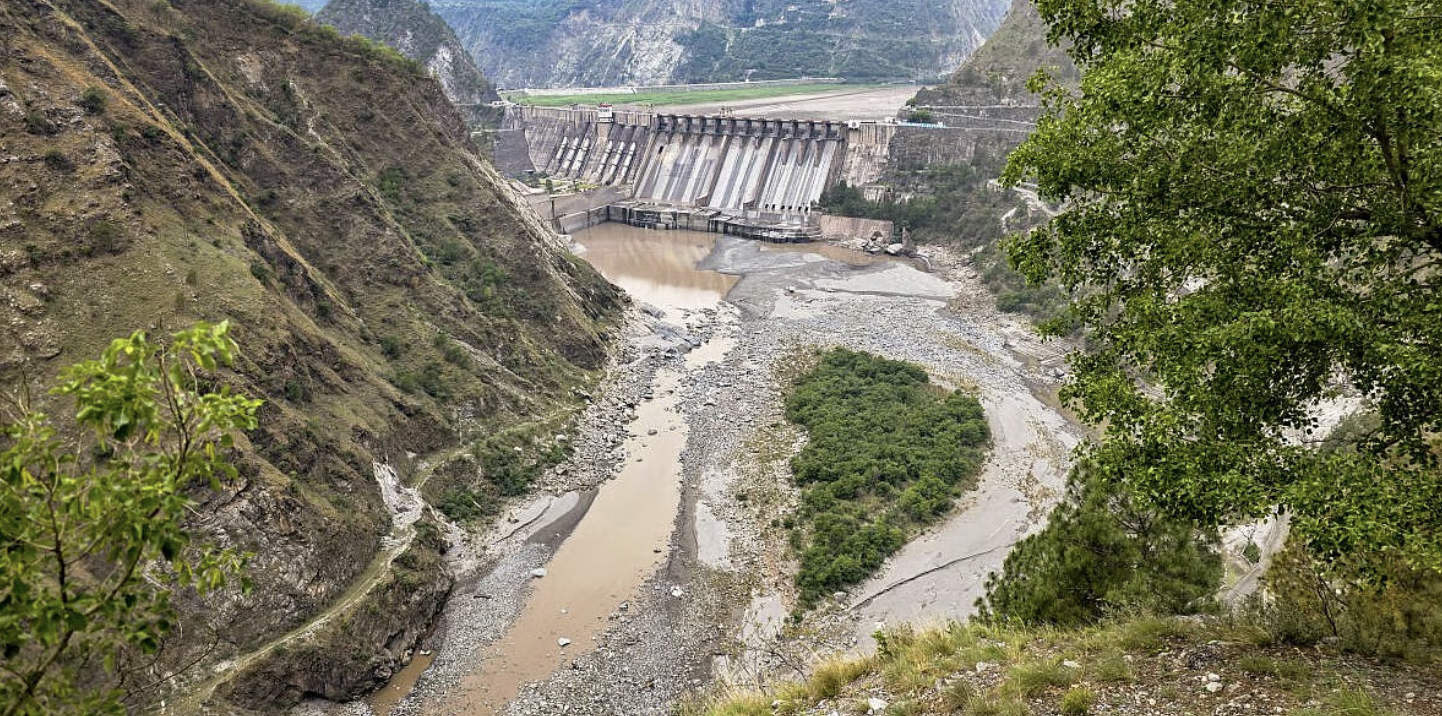
The ruling interprets the design criteria for India’s planned run-of-river hydropower projects over the Jhelum, Chenab, and Indus, stating the exceptions for hydropower generation that strictly conform to the Treaty requirements. According to a news report by Times of India, India had sought modifications in the Indus Water Treaty, and had previously notified this intent following prolonged disputes over the ‘Ratle’ and ‘Kishanganga’ projects in Jammu and Kashmir.
The World Bank’s 2022 decision to simultaneously activate both a neutral expert mechanism and the Permanent Court of Arbitration on Pakistan’s insistence on the same issues is unacceptable to India, which is a stance that the country has maintained. Hence, India does not recognise the Permanent Court of Arbitration’s jurisdiction in the matter, thereby insisting on a neutral expert mechanism.
The Indus Water Treaty was signed in 1960, after nine years of negotiations which were mediated by the World Bank. It gives India rights over the eastern rivers Ravi, Sutlej and Beas, and gives Pakistan control over the western rivers: Chenab, Jhelum and Indus, with limited provisions for use of each other’s waters. On 23 April 2025, the Government of India put an abeyance on the Treaty’s implementation after the terror attack in Pahalgam, stating that the stance shall remain while alleging Pakistan’s support of state-sponsored terrorism, while citing national security concerns.