
By Nityanjali Bulsu
The long-awaited income tax bill passed on Monday, marking significant changes in the sports governance in India. This Bill, introduced by Union Finance Minister Nirmala Sitharaman and the Sports Minister Mansukh Mandaviya, aimed to overhaul the income tax and the sports governance rules in India, paying special attention to the strengthening of the sports regulatory bodies. It cleared two major bills- namely, The National Sports Governance Bill, and The National Anti-Doping Amendment Bill.
The Bills, as proposed by Minister Mandaviya, aimed to promote sports development and the welfare of sportspersons, along with bringing changes to the ethical practices and ensuring they aligned with the Olympic and Paralympic Charters. Minister Mandaviya described this bill as the “single biggest reform in Indian sports since independence”. The national sports governance bill aimed to establish a framework for the creation of bodies such as the National Olympic Committee, National Paralympic Committee, and dedicated bodies for regional and national sports development, namely National and Regional Sports Federations for each sport.
The legislation set strict eligibility norms for executive committee members, mandating certain age limits and representation of women and minority sportspersons. Under this legislation, the National Sports Board was also moved to be established to grant recognition and funding, along with intervention in issues with management on national and international level teams.
In addition to this, a National Sports Tribunal will also be formed to resolve disputes, headed by a chief justice of a high court or a former judge of the Supreme Court.
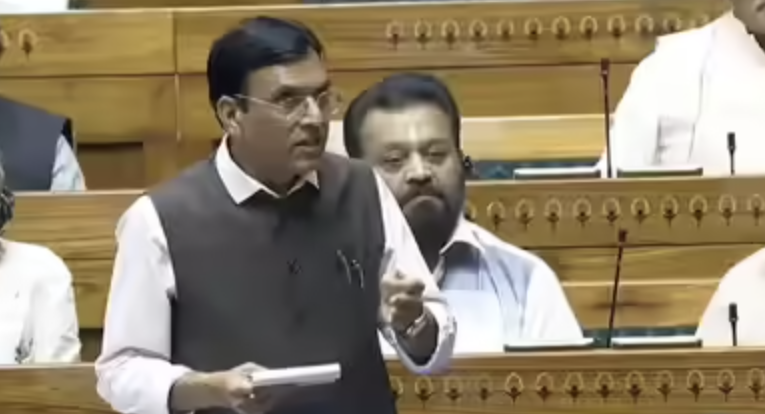
Mandaviya, despite all the protests led by the opposition over the issue with the electoral roles revision in Bihar, said “This bill ensures accountability, justice, and the best governance in sports federations. It will have massive significance in India’s sports ecosystem”.
In addition to all these changes, the National Anti-Doping Bill was amended, specifically in order to meet the WADA compliance criteria, which was a main topic of concern due to the influence of the government on the decisions of the National Anti-Doping Agency(NADA).
Under the older act, the National Board for Anti-Doping in Sports had complete authority over NADA, which has now been revoked, establishing NADA as an independent authority.
The bills were subjected to heavy sloganeering and several walkouts by the opposition members, who raised concerns over the hurried passing of the legislation without proper consultations with athletes and other federations. Despite these concerns, however, the bill was passed smoothly due to a majority vote in favour. The bills have now moved to the Rajya Sabha for further consideration.